Model S

Model S

Don't Buy

Announced during Q4 2025 earnings call. Tesla shifting focus to robotaxi, Cybercab, and Optimus.

Initial Release
Jun 2012 → Apr 2016
avg
1400

Major Facelift
Apr 2016 → Jan 2021
avg
1736
  • • Updated front end design
  • • various minor hardware improvements

Plaid Refresh
Jan 2021 → Jun 2025
avg
1612
  • • Completely redesigned interior
  • • yoke steering option
  • • Plaid tri-motor variant
  • • new powertrain
  • • updated suspension

Efficiency Refresh
Jun 2025 → Jan 2026
avg
214
  • • Improved aerodynamics
  • • faster charging capability
  • • minor exterior design tweaks

Discontinued
Jan 2026 → Today
avg
40
  • • Elon Musk announced discontinuation during Q4 2025 earnings call
  • • giving Model S an 'honorable discharge'

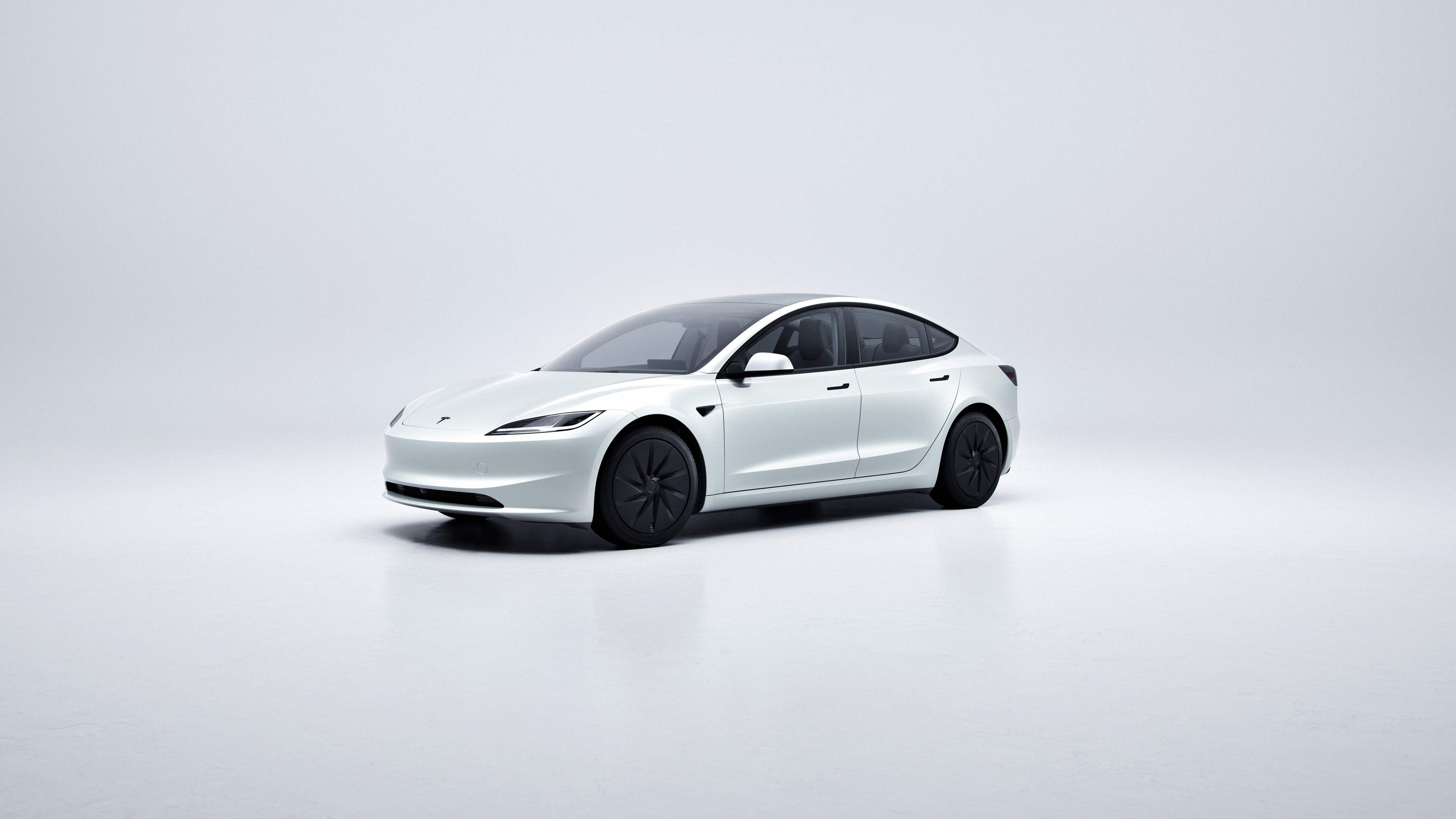
Model 3

Model 3

Don't Buy

At 82% of typical refresh cycle — a major update is likely imminent.

Initial Release
Jul 2017 → Oct 2020
avg
1188

2021 Model Year Update
Oct 2020 → Sep 2023
avg
1065
  • • Heat pump added
  • • chrome delete
  • • powered trunk lid
  • • redesigned center console

Highland Refresh
Sep 2023 → Apr 2024
avg
213
  • • Updated exterior styling
  • • significantly improved interior materials and comfort
  • • better aerodynamics
  • • increased range

Performance Variant
Apr 2024 → Today
avg
680
  • • Bespoke chassis hardware
  • • adaptive suspension damping
  • • performance-oriented upgrades

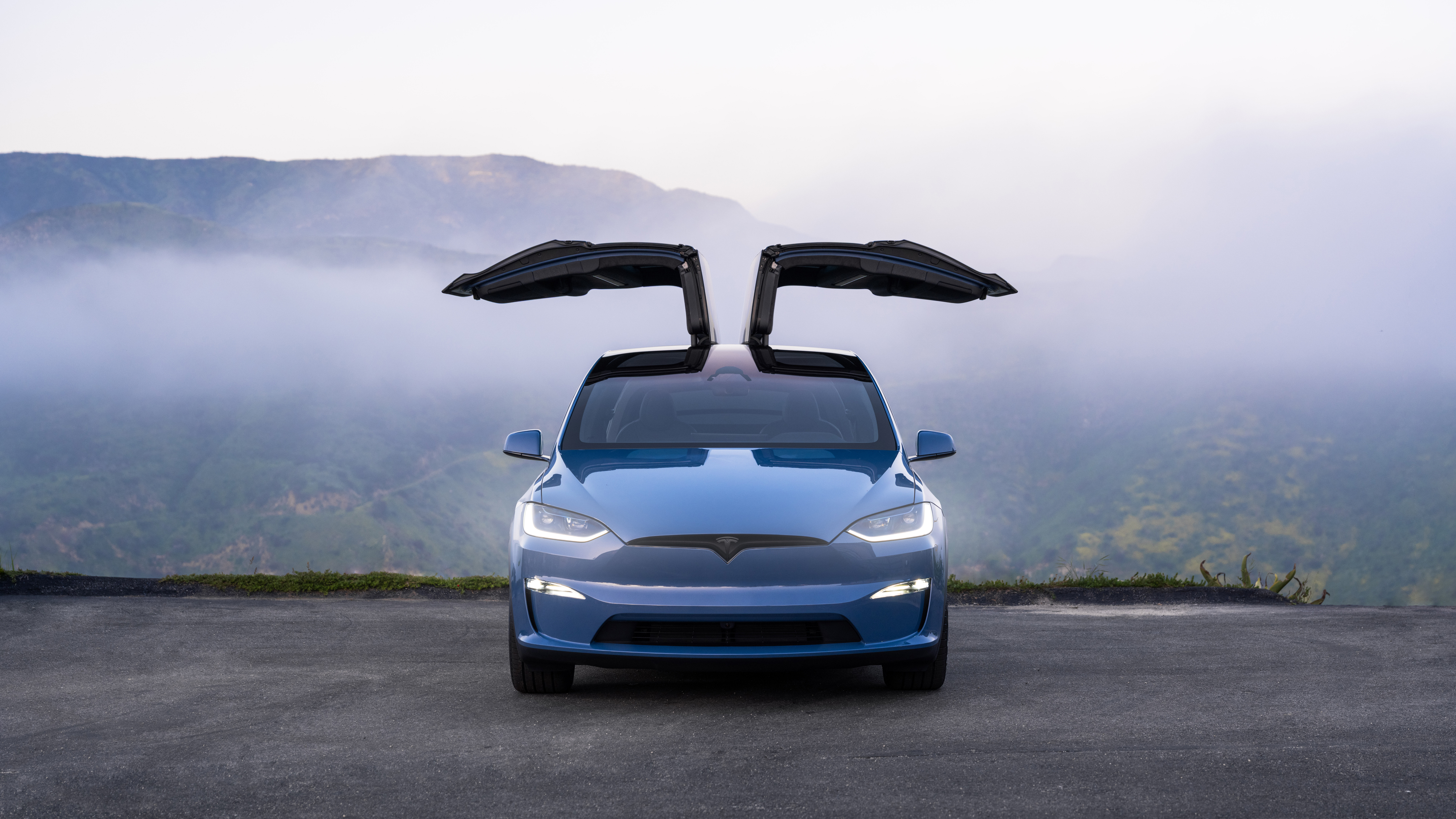
Model X

Model X

Don't Buy

Announced during Q4 2025 earnings call. Tesla shifting focus to robotaxi, Cybercab, and Optimus.

Initial Release
Sep 2015 → Jan 2021
avg
1949

Plaid Refresh
Jan 2021 → Jun 2025
avg
1612
  • • Plaid tri-motor variant
  • • redesigned interior
  • • updated powertrain
  • • revised suspension

Efficiency Refresh
Jun 2025 → Jan 2026
avg
214
  • • Efficiency improvements
  • • faster charging capability
  • • minor exterior design changes

Discontinued
Jan 2026 → Today
avg
40
  • • Elon Musk announced discontinuation during Q4 2025 earnings call
  • • giving Model X an 'honorable discharge'

Model Y

Model Y

Buy Now

Recently refreshed 40 days ago — early in the product cycle.

Initial Release
Mar 2020 → Jul 2023
avg
1217

Suspension Update
Jul 2023 → Jan 2025
avg
550
  • • Suspension tuning revisions for smoother ride
  • • updated interior trim materials

Juniper Refresh
Jan 2025 → Jan 2026
avg
365
  • • Full redesign with 50% new parts
  • • full-width rear light bar
  • • front bumper camera
  • • 8" rear touchscreen
  • • ventilated front seats
  • • 15-speaker audio
  • • 4% more aerodynamic
  • • 22% noise reduction
  • • Gen 2 suspension

Jan 2026 Update
Jan 2026 → Today
avg
40
  • • 7-seat option ($2.5k) on Long Range AWD
  • • 16" center screen on Premium/Performance
  • • black headliner standard
  • • matte black badging
  • • 20" Helix 2.0 wheels option ($2k)

Cybertruck

Cybertruck

Buy Now

Recently refreshed 9 days ago — early in the product cycle.

Initial Release
Nov 2023 → Apr 2024
avg
152

Foundation Series End
Apr 2024 → Oct 2024
avg
183
  • • Foundation Series phase completed
  • • standard orders opened to all customers

RWD Launch
Oct 2024 → Jan 2025
avg
92
  • • Single motor RWD variant launched at $60
  • • 990

2025 Lineup
Jan 2025 → Feb 2026
avg
396
  • • RWD discontinued
  • • lineup simplified to AWD ($81
  • • 985) and Cyberbeast ($116
  • • 985)

2026 Refresh
Feb 2026 → Today
avg
9
  • • New $59
  • • 990 AWD base trim with powered tonneau
  • • adaptive damping
  • • Powershare V2H
  • • textile seats. Deliveries June 2026.

Cybercab

Cybercab

Neutral

Pre-production vehicle. Expected to begin production April 2026. Not available for purchase yet.

avg
0

POLYMARKET PREDICTIONS

Will Tesla release Optimus by December 31, 2026?
22.0%
Will Tesla release Optimus by June 30, 2026?
5.7%

PRICING & SAVINGS

Federal EV Tax Credit — Expired

The federal EV tax credit expired September 30, 2025. The up-to-$7,500 credit for new EVs (Section 30D) and the up-to-$4,000 credit for used EVs (Section 25E) are no longer available for vehicles acquired after that date.

Charger Credit Still Available
The federal tax credit for EV charging equipment (Alternative Fuel Vehicle Refueling Property Credit) remains in effect — up to 30% of installation costs — through June 30, 2026.
State & Local Incentives
Many states still offer their own EV rebates, grants, or tax credits ($1,000–$7,500+). Check your state's energy office for current programs.

EV Ownership Savings

  • Fuel Savings: Average EV driver saves $1,000–$2,500/year vs. gasoline, depending on local electricity rates.
  • Reduced Maintenance: No oil changes, fewer brake replacements (regenerative braking), no transmission service.
  • Charging Costs: Home charging at $0.04–0.08/kWh overnight; Supercharging at ~$0.35–0.50/kWh, still 40–60% cheaper than gas.
  • HOV Lane Access: Many states offer single-occupant HOV lane access for EVs.

Browse inventory and configure pricing: tesla.com/inventory

The federal EV purchase credit expired Sept 30, 2025. State and local incentives vary. Always verify current eligibility with your state's energy office and a tax professional.

METHODOLOGY & DATA SOURCES

How Recommendations Work

Our buy/wait recommendations are based on Tesla's unique product lifecycle, which differs from traditional automakers. We identify four key phases and time our recommendations accordingly:

Mid-Maturity = Buy Now (Green)
The optimal window is 1-3 years after a major refresh. Production quality has stabilized, OTA updates have accumulated, and you avoid both launch issues and pre-refresh depreciation traps. This is our "sweet spot."
Early Cycle = Caution (Yellow)
Within 6-12 months of a launch, early production units may have quality inconsistencies. We recommend waiting for the "teething period" to end before buying.
Late Cycle = Don't Buy (Red)
When a model is 80%+ through its typical refresh cycle, or prediction markets show high probability of imminent updates, we recommend waiting. Pre-refresh purchases face rapid depreciation and missed features.
Prediction Market Integration
We monitor Polymarket for Tesla-related predictions. High probability (60%+) of upcoming refreshes or announcements shifts our recommendation toward caution.

Update Schedule

Data refreshes automatically every 24 hours. Last updated:

API Access for Agents

This data is available programmatically for AI agents and developers:

  • GET /api/data - Complete dataset with all models and predictions
  • GET /api/models - All Tesla models with recommendations
  • GET /api/models/{slug} - Detailed info for specific model
  • GET /api/predictions - Polymarket prediction markets
  • GET /api/recommendations - Current buy/wait recommendations
  • GET /api/openapi.json - OpenAPI 3.0 specification

Our Mission

We exist to empower the Tesla-curious to make confident, well-timed buying decisions. No dealership pressure, no sponsored content — just transparent data on product cycles and market sentiment so you can buy smart.

Our Thesis

Navigating Tesla's Product Lifecycle: Strategic Timing for Purchasing a Vehicle

Abstract

Tesla Inc. has revolutionized the automotive industry with its electric vehicles (EVs), blending cutting-edge hardware with frequent over-the-air (OTA) software updates. Unlike traditional automakers that adhere to rigid 4-7 year product cycles, Tesla's approach creates a dynamic lifecycle where vehicles evolve post-purchase. This article examines the optimal and worst times to buy a Tesla within this lifecycle, drawing on industry analyses, consumer reports, and market trends.

Understanding Tesla's Product Lifecycle

Tesla's lifecycle diverges from convention due to its software-centric philosophy. Key phases include:

  1. Introduction/Launch Phase: A new model or major hardware refresh is unveiled. This phase features hype, initial production ramps, and potential quality control challenges as manufacturing scales.
  2. Growth Phase: Post-launch, Tesla iterates rapidly. Software updates address bugs and add features, while hardware tweaks improve build quality. This lasts 6-18 months, during which early adopters report issues like panel gaps or software glitches.
  3. Maturity Phase: The model stabilizes, with refined production and accumulated updates. This mid-cycle period—often 2-4 years into the model's life—sees peak reliability and value. Tesla may offer incentives to boost sales, especially at quarter-ends.
  4. Decline/Pre-Refresh Phase: Rumors of updates circulate, sales may slow, and discounts clear inventory. The cycle ends with a refresh or discontinuation.
The Optimal Time to Buy: Mid-Maturity Phase

The ideal window is during the maturity phase, approximately 1-3 years after a major launch or refresh, once initial production issues are resolved but before refresh rumors intensify.

  • Stabilized Production: Early launches often suffer from quality dips. By mid-cycle, manufacturing efficiencies improve reliability.
  • Accumulated Updates: OTA enhancements peak, providing near-current features without hardware obsolescence.
  • Market Incentives: Tesla pushes sales at quarter-ends (especially Q4), offering discounts or credits.
  • Balanced Depreciation: Values hold better than post-launch drops, and resale is stronger before refreshes devalue inventory.
The Worst Time to Buy: Pre-Refresh or Immediate Post-Launch

Avoid purchasing just before a rumored refresh or right at launch.

  • Pre-Refresh Risks: Imminent updates make your purchase outdated quickly. Prices crash as Tesla clears stock, and new features diminish appeal.
  • Post-Launch Issues: Initial units face teething problems, from software bugs to hardware flaws. Forums advise waiting 6-12 months post-launch.
  • Rapid Depreciation: A new Tesla can lose 30% value in year one, amplified by refreshes. Pre-refresh buyers face immediate equity loss.
Conclusion

Tesla's product lifecycle rewards informed timing: opt for mid-maturity to capture stability and value, steering clear of pre-refresh depreciation traps or launch uncertainties. Benefits include reliable performance and strong resale, while downsides encompass financial losses and feature gaps. Prospective buyers should monitor sources like Tesla's announcements, prediction markets, and analyst reports to gauge cycles.

This synthesis draws on automotive analyses, consumer forums, and market data through early 2026.